
Late fall and early winter are a sacred time on the calendar. As the nights grow longer and the days shorter, the season of growing and harvesting comes to an end. The weather turns cold, and snow begins to fall across the Northern Hemisphere. We find ourselves surrounded by more and more darkness as the calendar year draws to a close. It is a time when we think about endings, new beginnings, intentions, and wishes.
Many of our religious and spiritual traditions, from both the East and the West, as well as secular cultures in the United States and around the world, celebrate special holidays during this time. We make more time for rest, gather with family and friends, and feel a stronger pull toward home, nesting, giving to others, cooking special foods, creating beauty, and being with the people we love. We celebrate these holidays for different reasons and in different ways, as individuals, families, and communities.
Across the world’s religious and spiritual traditions, we find a shared recognition of the interplay between holy darkness and light. As our world has become increasingly multicultural and interconnected across religions and cultures, the holiday season at the end of the calendar year has also taken on a broader, more secular meaning in America and many other countries.
Many of our celebrations, some with origins in pre-Christian times and ancient Christian practices, have evolved to include new stories, music, and traditions that emphasize the importance of time spent with loved ones and in community. We also embrace the familiar secular ritual of decorating with lights and candles, bringing color and warmth into our homes and streets during the darkest days of the year.
These celebrations remind us that light takes many forms and carries different meanings across cultures and traditions. As we move through this Season of Light, we can reflect on some of the religious, spiritual, and cultural holidays that bring meaning to this time of year.
A Season of Many Celebrations
Diwali
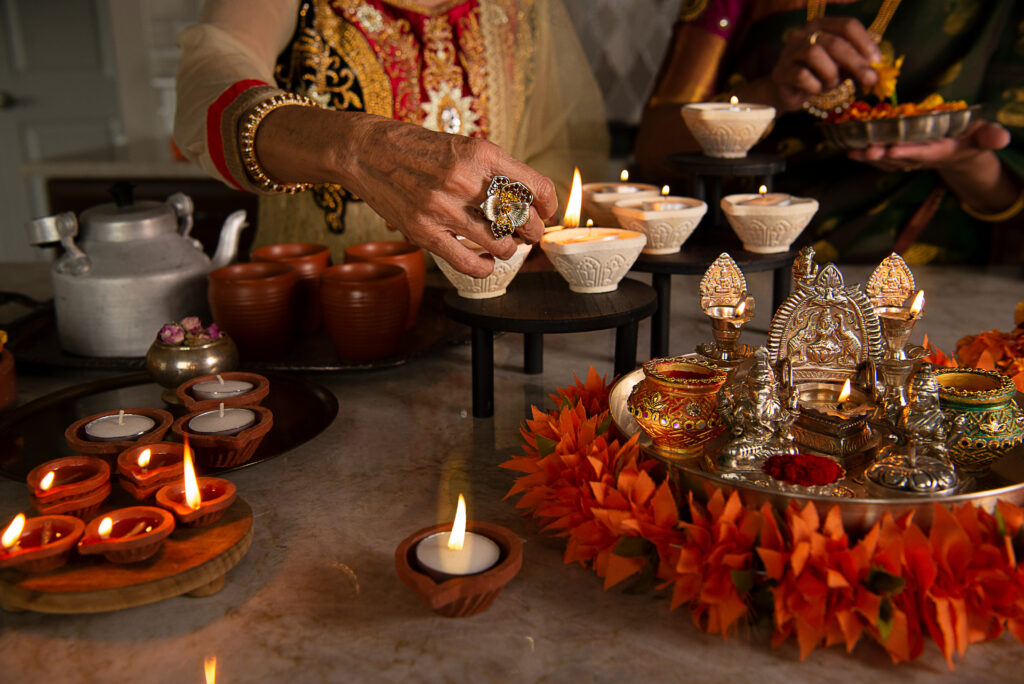
In the Hindu tradition, Diwali is celebrated in the late fall as a five-day festival of lights. In India, it is one of the largest holidays of the year, marked by lighting clay lamps outside homes as a symbol of protection from spiritual darkness. The lights represent the triumph of light over darkness and the renewal of hope.
Thanksgiving
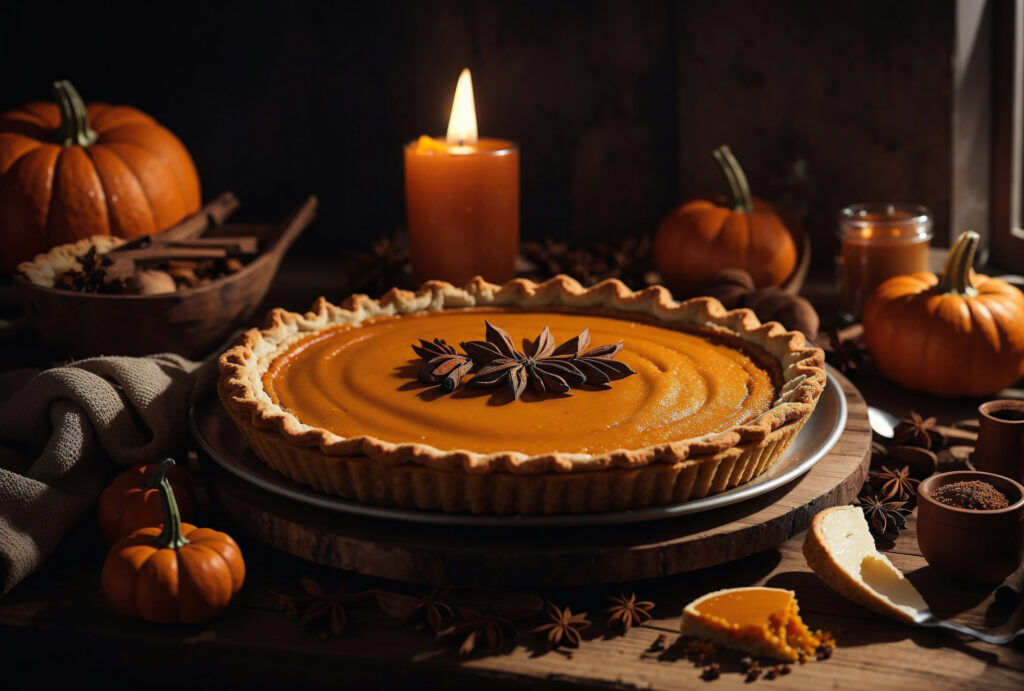
In late fall, following agricultural harvests, countries around the world set aside special days for gratitude. In the United States and elsewhere, Thanksgiving is observed by pausing to give thanks, feasting on special foods, and gathering with loved ones. Some harvest celebrations also recognize the bright light of the Harvest Moon.
Advent
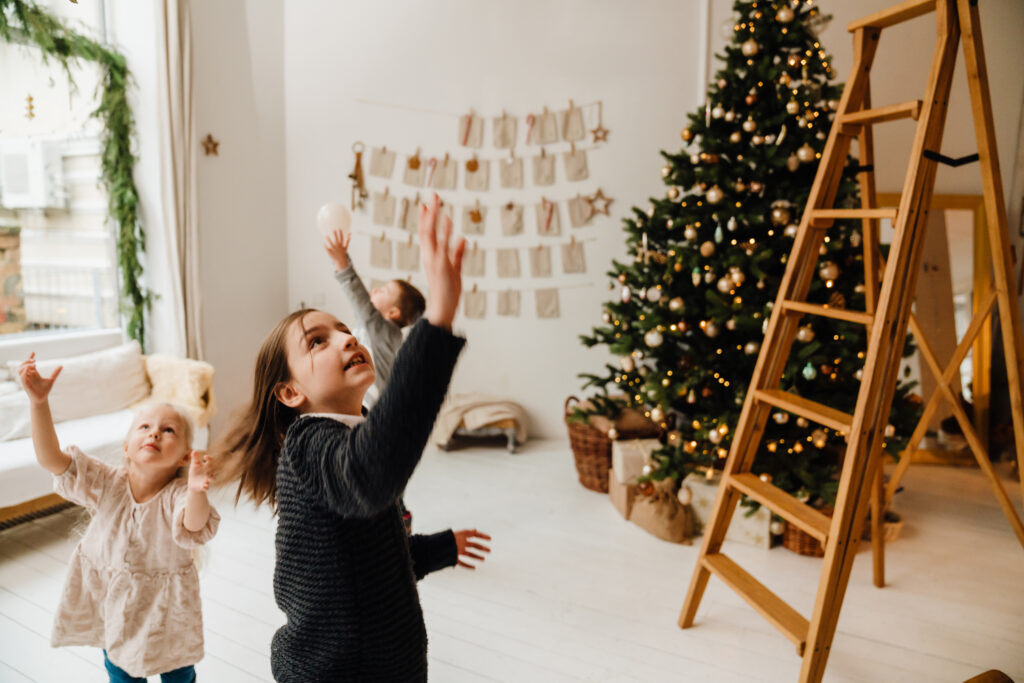
In the Christian tradition, Advent is observed over four weeks as a time of waiting and preparation before Christmas. An Advent wreath holds four candles, with an additional candle lit each Sunday over the four weeks, marking the passage of time and the anticipation of the holiday.
Bodhi Day
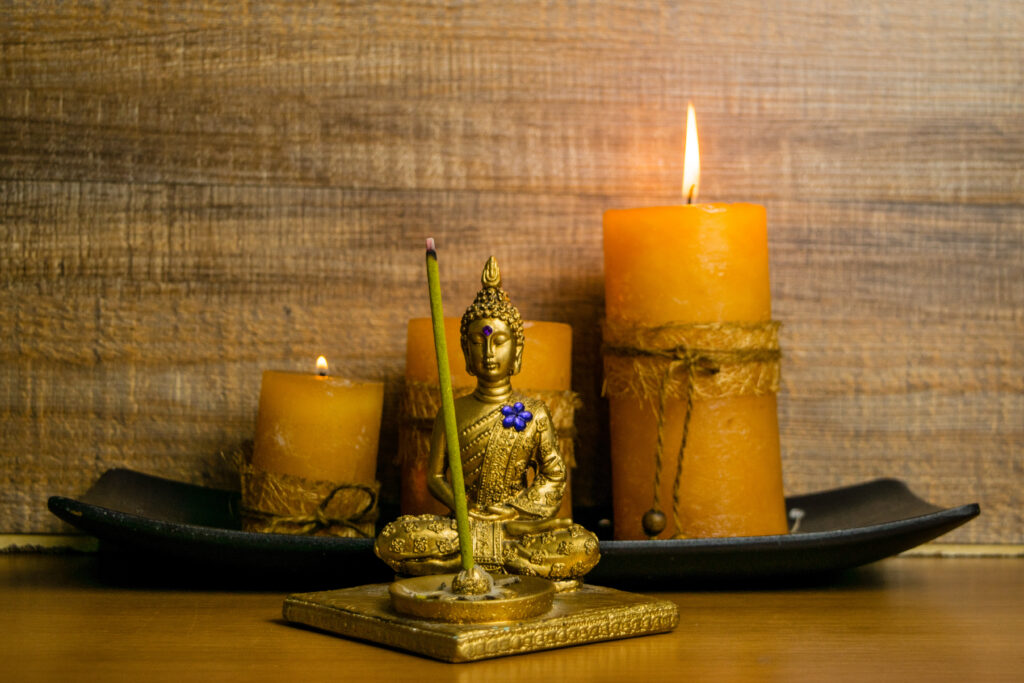
In the Buddhist tradition, Bodhi Day, observed on December 8, honors the anniversary of the Buddha’s enlightenment. On this day, many Buddhists rededicate themselves to the principles of wisdom, compassion, and kindness while reflecting on enlightenment and each person’s inner light.
Hanukkah
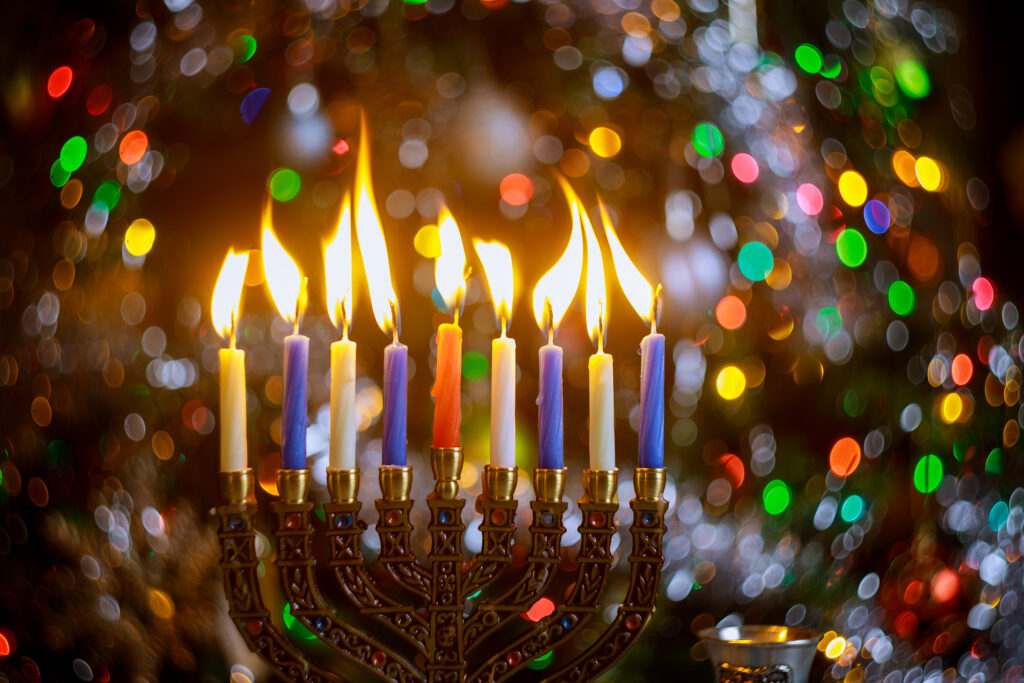
In the Jewish tradition, Hanukkah is an eight-day festival of lights celebrated in December. The holiday is marked by special prayers and the lighting of the menorah’s nine candles, with an additional candle lit each evening. Celebrations often include songs, games, gifts, fried foods, and traditional blessings.
Winter Solstice
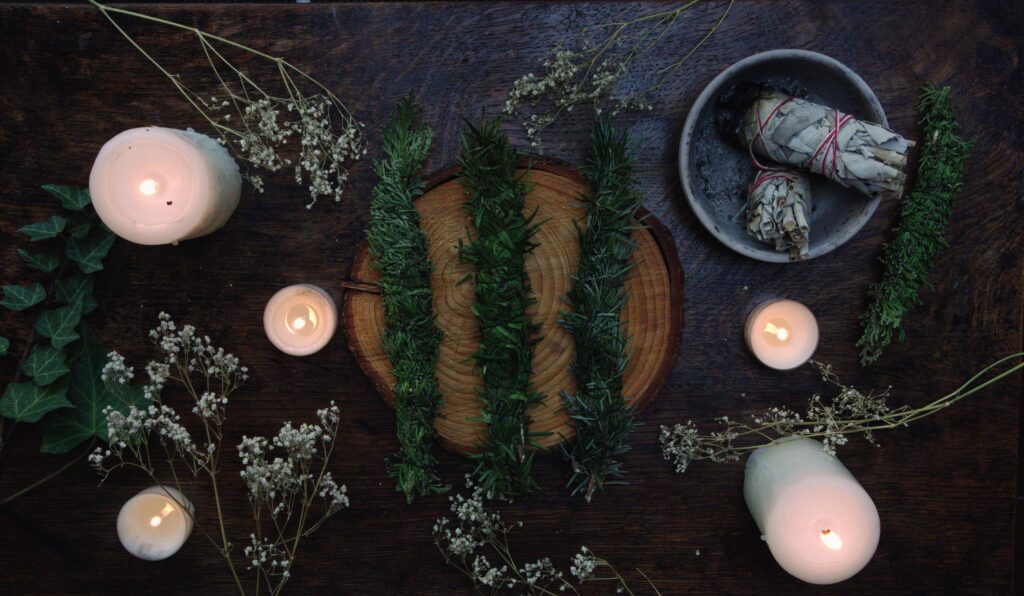
The winter solstice marks the beginning of winter and the shortest day of the year, after which daylight hours gradually begin to lengthen again. Also known as Yule in some traditions, the winter solstice is celebrated in many Indigenous, secular, and Earth-based spiritual traditions. It is a time to honor the cycles of the natural world and the gradual return of light.
Christmas
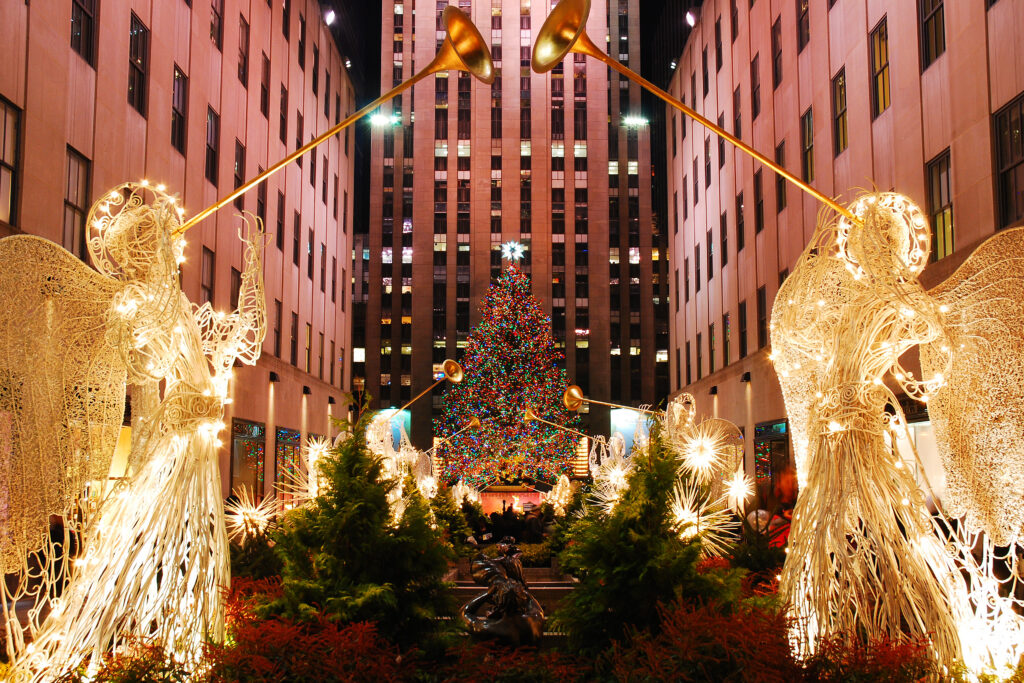
In the Christian tradition, Christmas celebrates the birth of Jesus, often symbolized by candles and decorative lights. Christmas has also become a secular celebration in many parts of the world, observed through the exchange of gifts, traditional stories and music, and special decorations shared with loved ones.
Kwanzaa
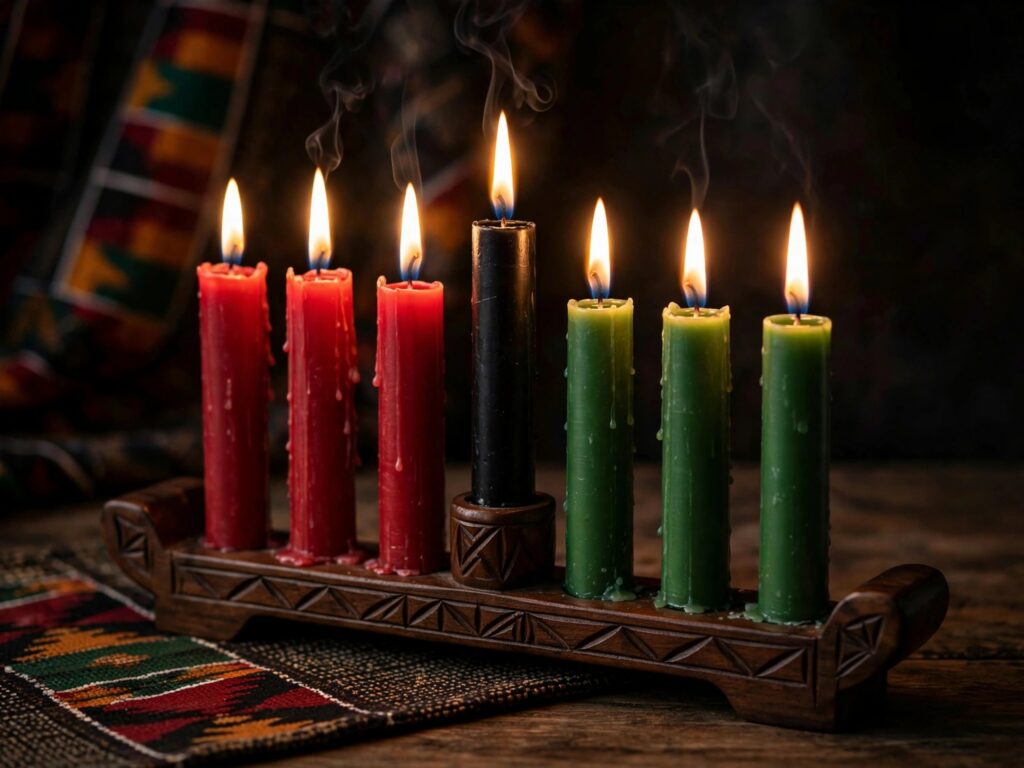
In the African American tradition, Kwanzaa is celebrated over seven days beginning on December 26. The holiday emphasizes community, family, culture, and reconnection with African heritage. Seven candles are used in a ceremony that lights a new candle each night, with each representing one of the seven principles of Kwanzaa.
Boxing Day
In the United Kingdom and many other countries, December 26 is observed as Boxing Day, a public holiday with roots in the tradition of giving money to people experiencing poverty and presenting a “Christmas box” to those working in the service industry. Originally a day off for servants, Boxing Day has evolved into a day often associated with shopping, sporting events, and time with family.
New Year’s Eve
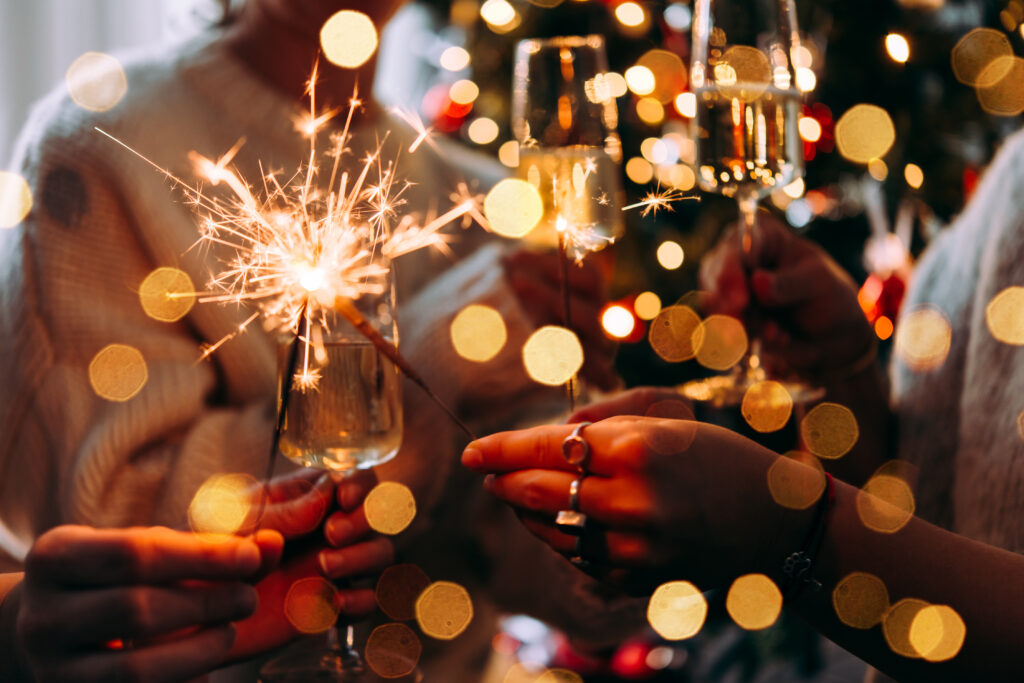
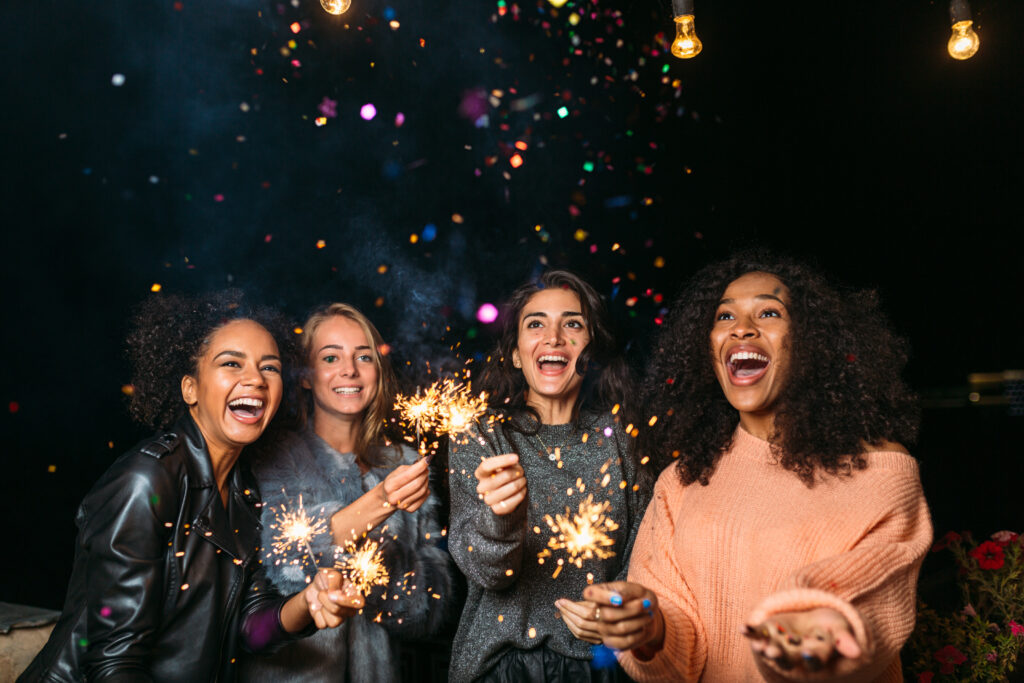
As the calendar year comes to a close, people around the world welcome the New Year at midnight with fireworks, sparklers, colored lights, music, and joyful noisemakers. In the United States, the end of December also marks the close of the tax year, which many people use as an opportunity to share their blessings through charitable giving.
New Year’s Day
New Year’s Day is celebrated in various traditions as a day of prayer for world peace and an opportunity to reflect and set personal resolutions for the year ahead. Many Western celebrations also include gathering with loved ones to share food, watch sports, and welcome the possibilities of a new beginning.
Epiphany
In the Christian tradition, January 6 marks Epiphany, the twelfth day of the Christmas season. The holiday is associated with the bright star that guided the Three Kings to visit the newborn Jesus. In many Latin American countries, Epiphany is an especially important day for family celebrations and gift-giving.
Chinese New Year
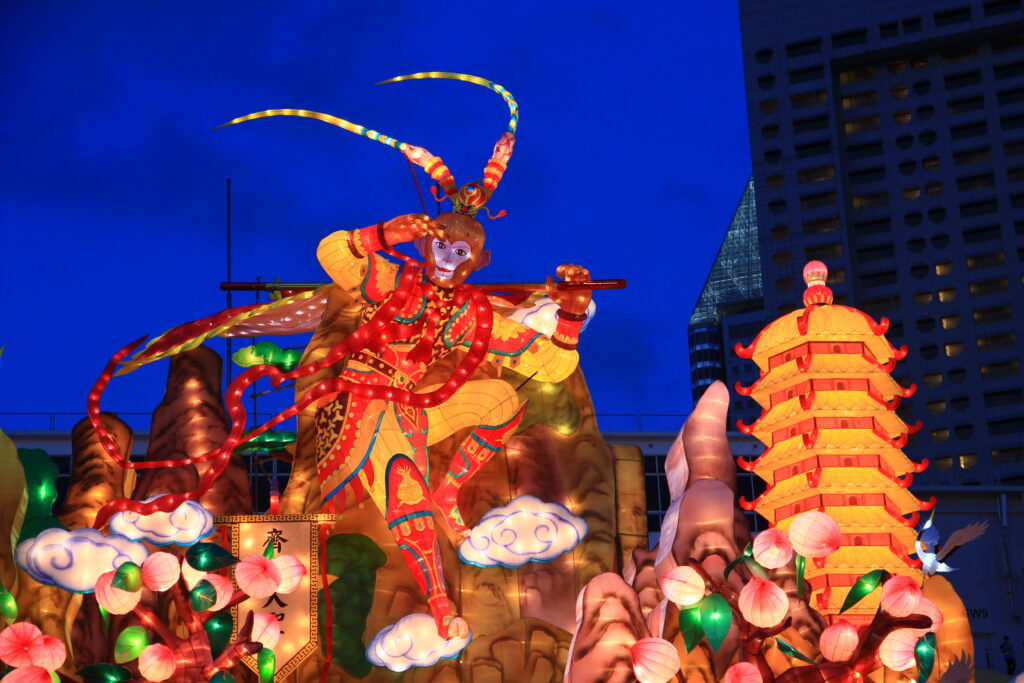
In China and across many East and Southeast Asian communities, the New Year is celebrated according to the lunar calendar, beginning on the date of the new moon. Festivities include family gatherings, special foods, firecrackers, and honoring elders. Each year is associated with one of twelve animals in the Chinese zodiac, with each carrying its own traditional symbolism.
Although Muslim communities do not observe a religious holiday tied specifically to December, as Muslim holidays follow the lunar calendar and therefore shift dates each year, the symbolism of light and darkness also holds special meaning in Islam.
Light Within and Around Us
These celebrations remind us how light can bring meaning, comfort, and connection during the darkest time of the year. Across different religious, spiritual, and cultural traditions, light becomes a symbol of hope, renewal, wisdom, compassion, and the possibility of new beginnings.
As the year draws to a close, we are invited to become more aware of both light and darkness. We can reflect on the rituals, both spiritual and secular, that mark this season of celebration. We seek to create beauty around us through decorations inside and outside our homes, candles and fireplaces, special foods and meals prepared with love, blessings and prayers, and music and films that evoke the spirit of the holidays. We also remember that the holiday season encompasses celebrations from many different cultures and traditions, each offering its own way of finding meaning, connection, and light.
In the Muslim tradition, two beautiful readings offer a meditation on the light within us that connects us to the world around us.
From the Prophet Muhammad, peace be upon him:
O Allah, place light in my heart, and on my tongue light, and in my ears light and in my sight light, and above me light, and below me light, and to my right light, and to my left light, and before me light and behind me light. Place in my soul light. Magnify for me light, and amplify for me light. Make for me light, and make me light. O Allah, grant me light, and place light in my nerves, in my body, in my blood, in my hair, and in my skin. O Allah, make for me a light in my grave… and a light in my bones. Increase me in light, increase me in light, increase me in light.
Grant me light upon light.
From Mawlana Jalal al-Din Rumi:
When the Sunbeam has returned home,
Every wall is left darkened and black.
That which amazed you in the faces of the fair
Is the Light of the Sun reflected in the three-colored glass.
The glasses of diverse hues cause the Light to assume color for us.
When the many-colored glasses are no longer,
Then the colorless Light amazes you.
Make it your habit to behold the Light without the glass,
So that when the glass is shattered you may not be left blind.
(Mathnawi V, 981–991, translated by Kabir Helminski and Camille Helminski)
As Parker Palmer — author, educator, and friend of Fetzer — reminds us, we are not simply recipients of light during this season; we are also called to become sources of it for one another:
“In times of deep darkness, we not only need light — we need to be light for one another. … There are many kinds of light. There’s the light that allows people lost in the dark to find their way home. There’s the light of compassion that comforts everything it touches. There’s the light of truth-telling about ourselves that lets us see what we are doing — or allowing — that has helped bring this darkness upon us. There’s the light that shows us the way forward toward a better world. There’s the light of courage to walk that path no matter who says ‘Stop!’ No one of us can provide all of the light we need. But every one of us can shed some light. Every day we can ask ourselves, ‘What kind of light can I provide today?'”
Perhaps this is the invitation of the Season of Light: to honor the many traditions and rituals that bring meaning to our lives, while recognizing the light we each have to offer. In a season that asks us to acknowledge both darkness and light, we can bring warmth, beauty, compassion, and hope into our homes and communities.
And as we enter a new year, we might carry with us a simple but meaningful question: What kind of light can I provide today?
Special thanks to Kerry Maloney and the Office of the Chaplain and Religious and Spiritual Life at Harvard Divinity School for the idea of celebrating A Season of Light and for sharing the Rumi reading in the closing meditation. Used with permission, December 5, 2017.